

Your morning update from Salon.
Crash Course subscribers can join the conversation. Tap the speech bubble icon to leave a comment. Hit the heart icon to leave a like.
The news, in brief …
“I was foolish to spend time with him”: Gates says he “regrets” associating with Epstein
The Microsoft founder spoke out about recently released emails from the late sex trafficker. Read more.
“Incredibly distressing”: European resignations, investigations intensify over Epstein files
The newest batch of DOJ documents has led to resignations and investigations across the continent. Read more.
When one mother was taken by ICE, another stepped in to donate breastmilk
Moms in Minneapolis are donating diapers, food and time to help families who have been ripped apart by ICE. Read more.
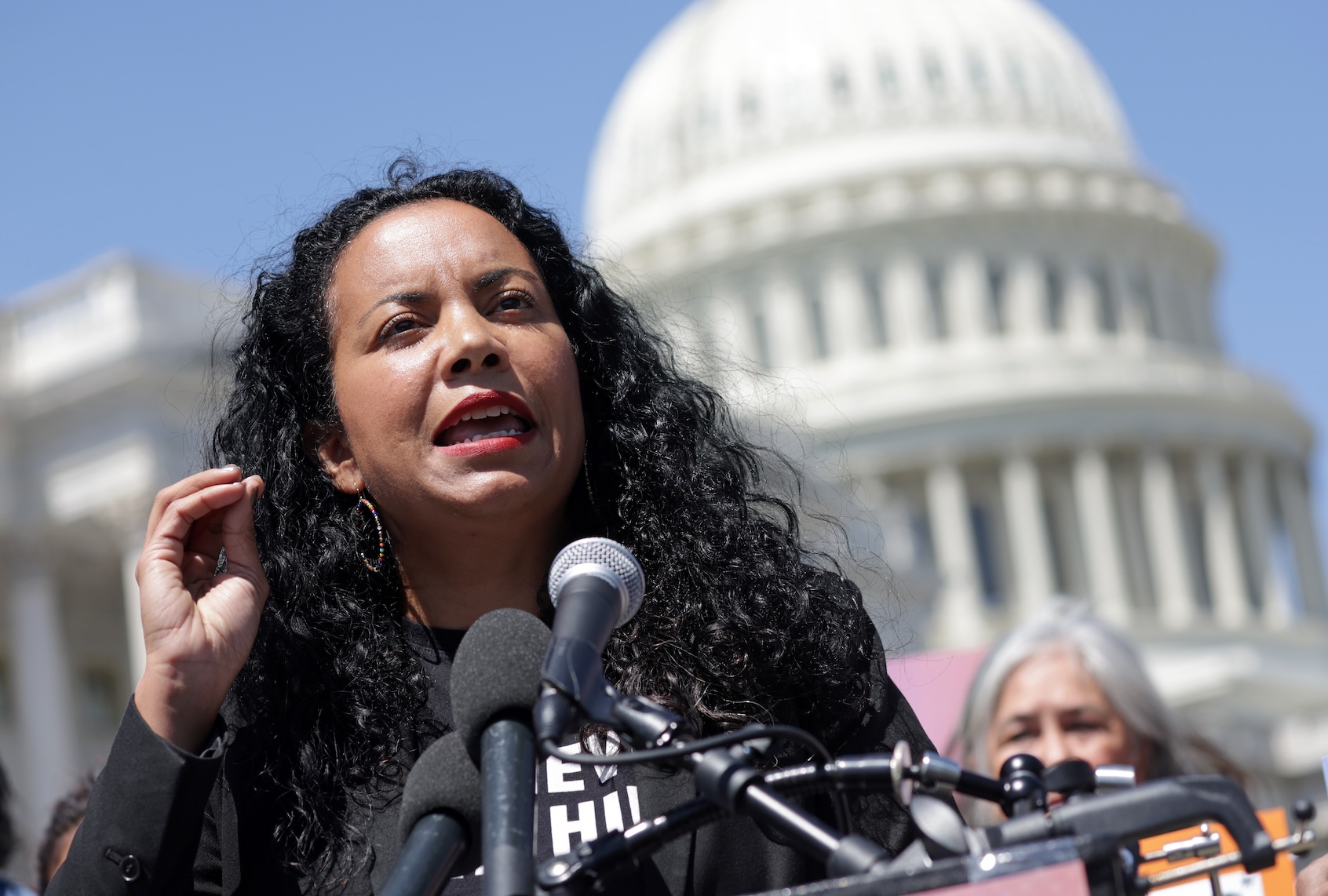
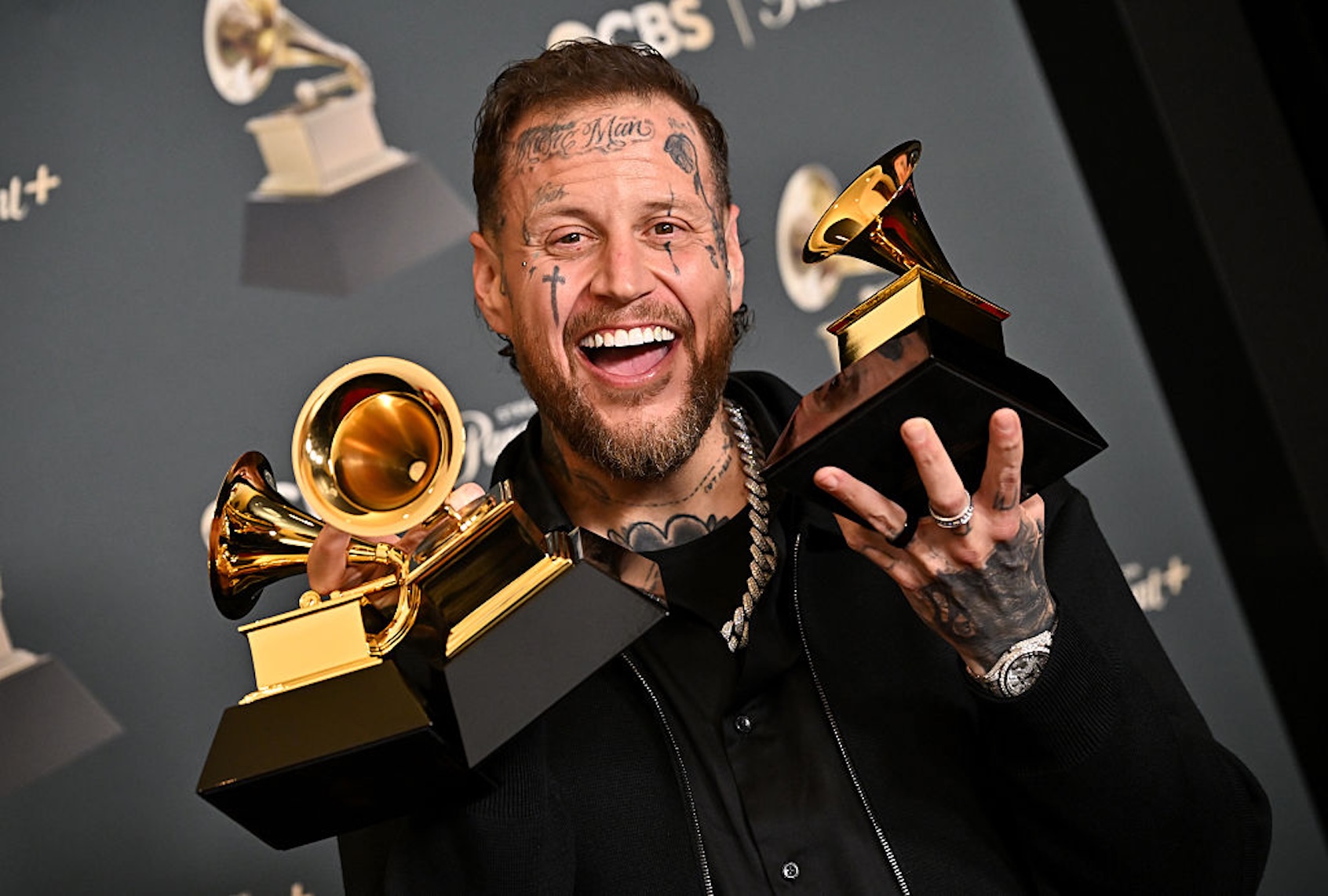
Make me smarter …

(Bruce Bennett/Getty Images)
Why the Olympics matter in a fascist moment
Team USA deserves our attention, and watching them on the world stage is a chance to reclaim national pride. Read more.

Getty Images
Chilling effect …
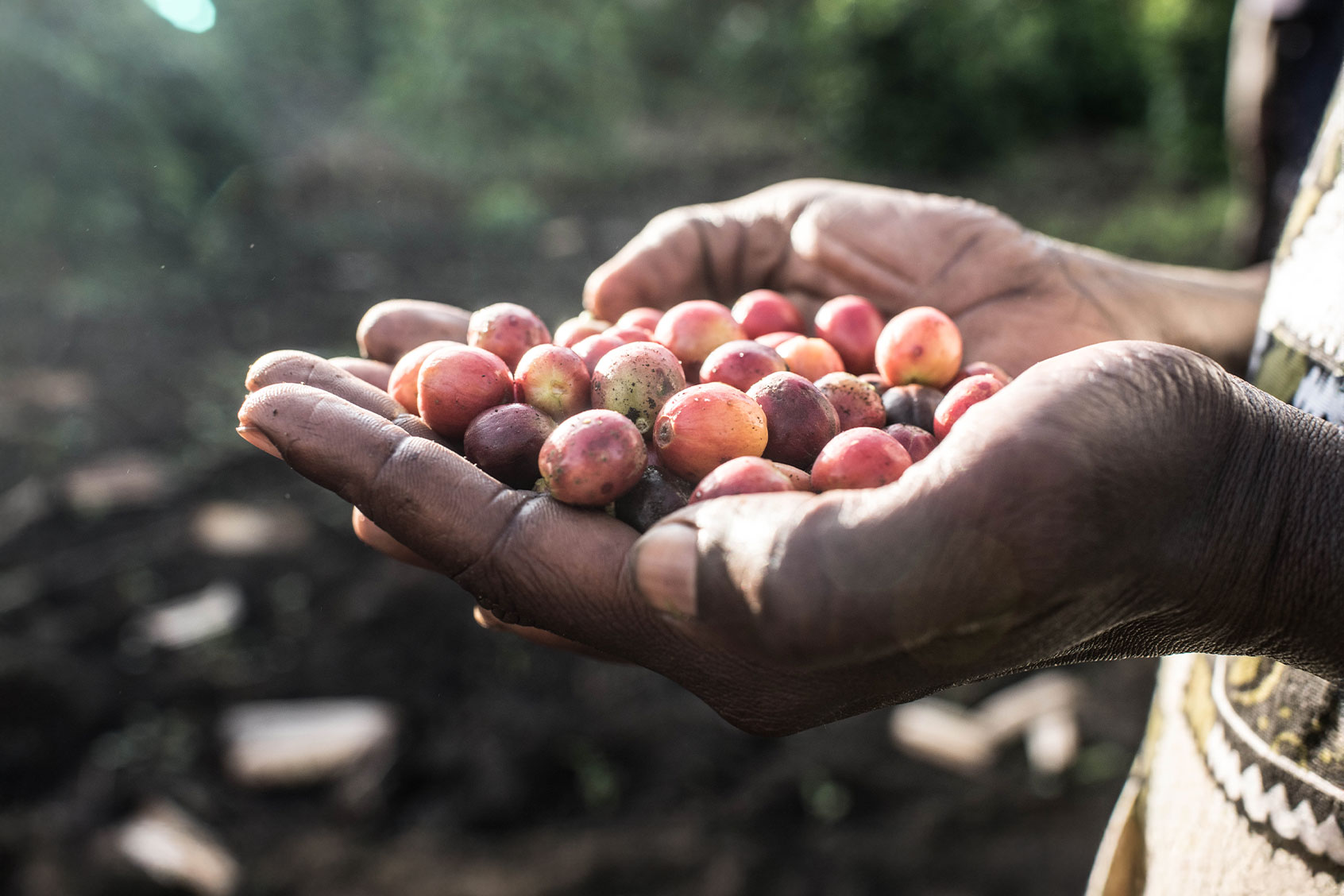
In a vacuum, the millennial obsession with cold brew wouldn’t be a bad thing.
This 2020s take on iced coffee, brewed by steeping ground coffee in cold water for at least 12 hours, is a boon to baristas. Its ready-to-pour nature makes for speedy orders. It’s less acidic than regular coffee, but typically higher in caffeine. But all that undeniable use value can’t make up for the fact that cold-brewed coffee just doesn’t taste as good as a traditional iced coffee. Pretty much never.
See, cold-water brewing is less finicky and the resulting beverage is less likely to turn out bitter, but it also gives high-quality beans less chance to shine. When compared to the drink made, y’know, by pushing piping hot water through ground coffee and then letting it cool down a bit, cold brew has a muffled taste, like drinking java with a sock over your tongue.
That hasn’t stopped iced coffee’s more timid cousin from exploding in popularity. A 2023 survey by the National Coffee Association found that cold brew orders had grown by 300% in less than a decade. Indeed, cold brew has practically become synonymous with “iced coffee” in that period. We have to face reality: Millions of Americans wake up every day and immediately decide to settle for less.
We see this tradeoff in many places outside the coffee shop, as well. News readers abandoned the in-depth (and expensive) reporting of local newspapers as free aggregators began to crank out cheap ripoffs online. Legacy magazines folded as a new crop of websites pushed out scarcely-edited personal essays and poorly sourced celebrity gossip at an industrial scale. Those nimble online operations had their own lunches eaten in turn by tech companies, who found that their users enjoyed reacting to the news of the day more than they reading it.
I was thinking about all this — inside my local coffee shop, imagine! – as I read the news about Jeff Bezos’ Washington Post massacre. Even in an age of shrinking news coverage, the Amazon founder carries most of the blame for WaPo’s current state. Readership of the Post has fallen by more than half in the last five years, which overlaps pretty strongly with Bezos’ turn to Trump-friendly stances on the editorial page. Sure, ownership can point at declining subscriptions and falling ad revenue to justify the decision to cut the Post’s workforce by a third. But any honest accounting of this debacle needs to include why that readership fell off a cliff.
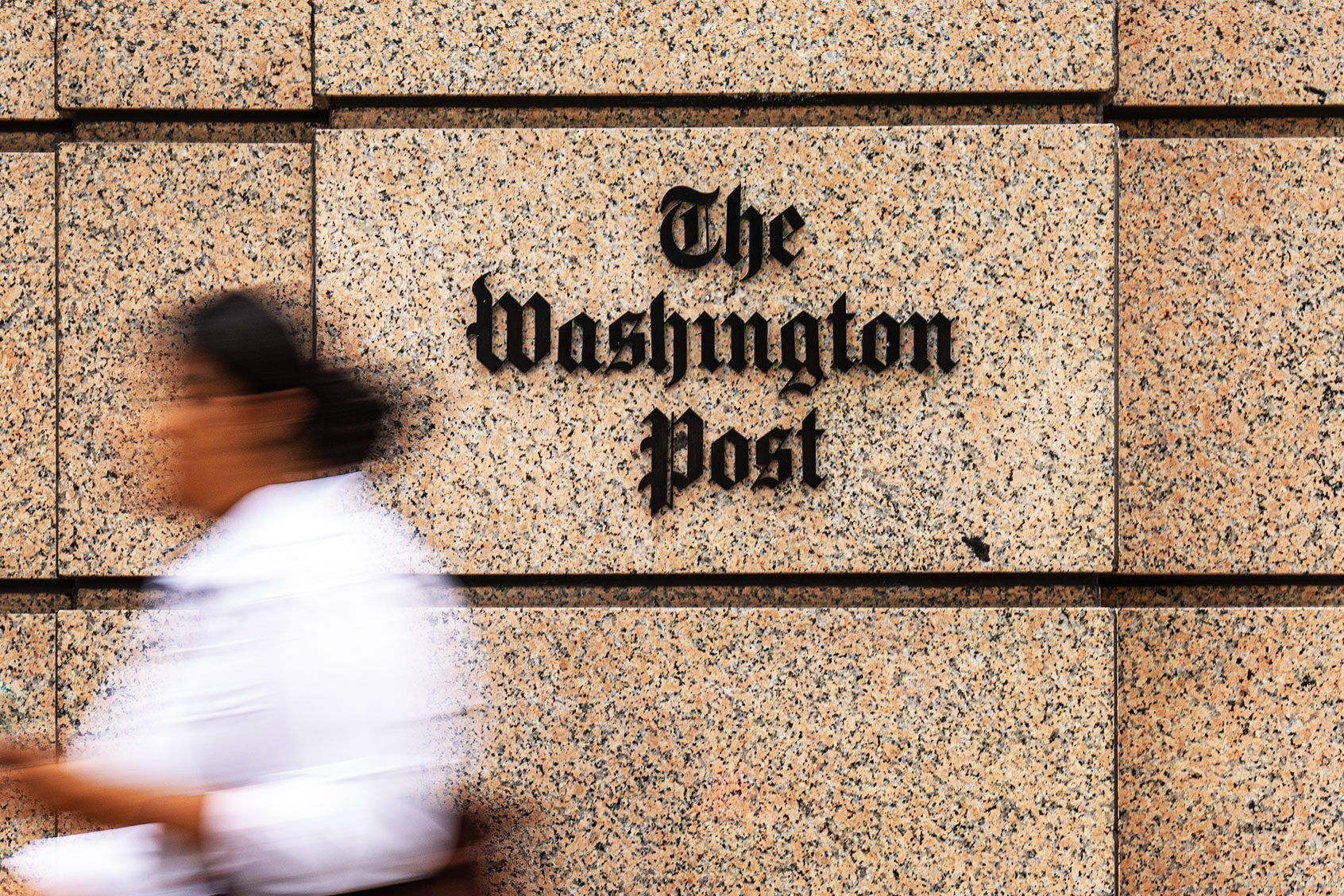
We find ourselves in a situation where the paper of record in the nation’s capital — the paper of Woodward and Bernstein, and of “Democracy dies in darkness” — will be run with a skeleton crew, thanks to a combination of billionaire negligence and consumer unwillingness to pony up. The result of Bezos’ layoffs can only be shoddier work and a narrower scope from the paper that once brought down a presidency.
Still, the rest of us are not entirely blameless. There are fewer than 1,000 remaining daily newspapers in the United States, and that’s due, in large part, to our collective aversion to paying for them. Reporting the news costs money, and that goes double for reporting from places that can’t be reached on the Acela. Reading nothing but national headlines from coastal outlets is no way to stay informed.
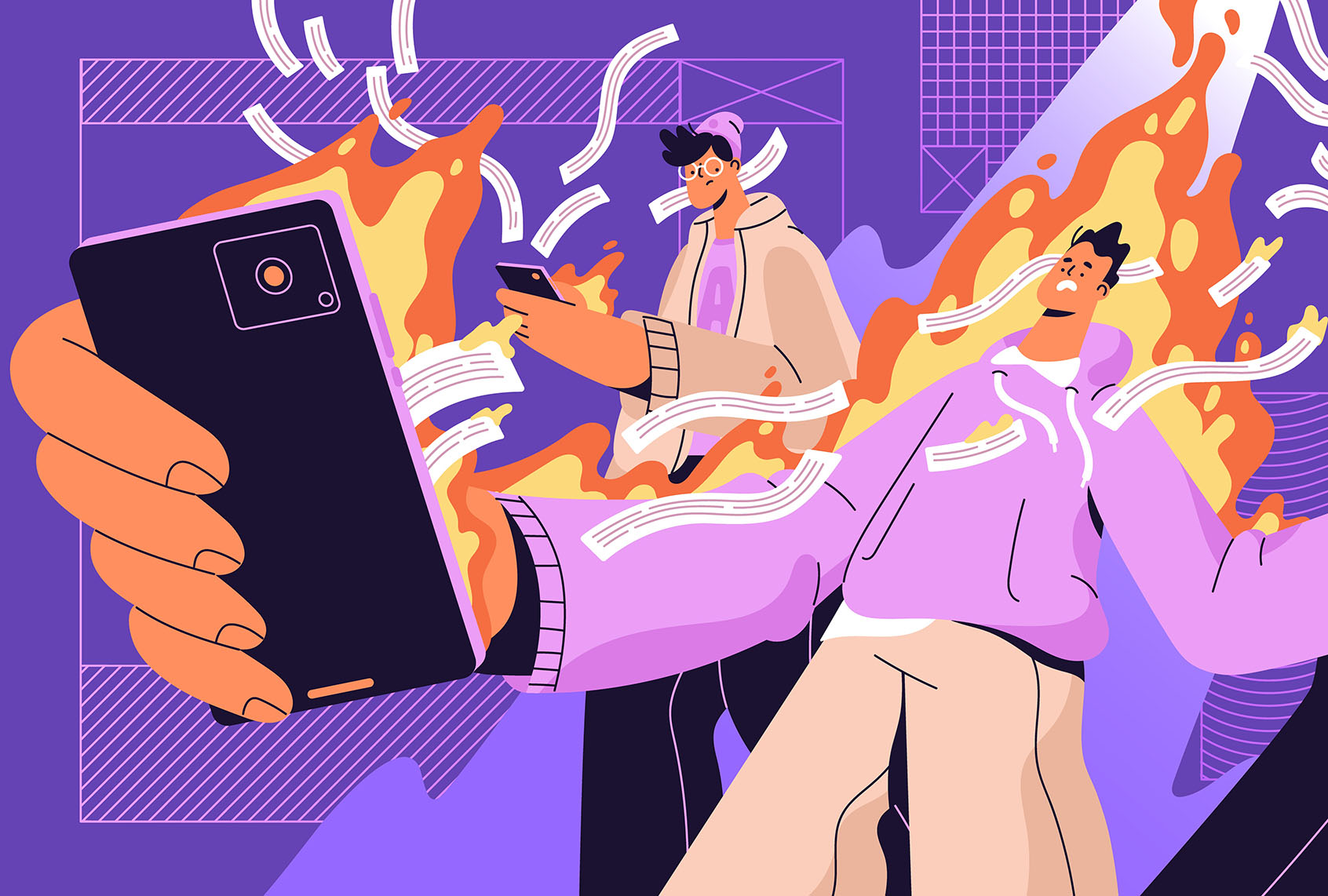
A coffee shop that serves nothing but cold brew is still delivering caffeine.. But you’d be justifiably furious if your local shop turned into a strictly iced operation overnight. It would be bland, blinkered and boring. The same goes for the news.
We have to demand better from the oligarchs who run our news outlets. Let them know we want serious reporting, incisive commentary, and to know what’s going on at our local city council meetings. But we can’t pat our pockets when the bill comes due. Democracy might die in darkness, but newspapers die in insolvency. Put your money behind outlets that matter and use that leverage to insist they do the work everyday.
What do you think? Which outlets are worth more than their subscription cost? Do you see a future for robust local news? Will it look like the past? Sound off in the comments.
Support the progressive journalism you trust. Become a Salon member today!
Before you go …

(Jabin Botsford/The Washington Post via Getty Images)
Kennedy Center teaches MAGA a tough lesson
Donald Trump's coalition is finding that they can't bully their way into the nation's art and culture. Read more.

