

Your morning update from Salon.
Crash Course subscribers can join the conversation. Click the speech bubble icon to leave a comment. Tap the heart if you like this message.
The news, in brief …
“The real insurrection”: White House marks Jan. 6 anniversary with page attacking Democrats, Pence
The Trump administration attacked Democrats on the fifth anniversary of the Jan. 6 riots. Read more.
Department of Justice quietly admits “terrorist” cartel isn’t real
US officials took a Venezuelan phrase for corrupt leaders as a real organization, accusing Maduro of being its head. Read more.
The making of a MAGA martyr
Ashli Babbitt became proof to Trump and his followers that women need protection. Read more.
Make me smarter …

Getty Images
After Venezuela, who’s next?
Trump's threats against Cuba, Mexico, Colombia and Greenland must be taken seriously. Read more.

Getty Images
The C-word …
For over half a decade, foreign policy journalist Joshua Keating composed a series of columns for Slate under the banner “If It Happened There.” The question at the heart of these occasional pieces was simple, but evocative: How would mainstream media cover recent events in American politics if they instead occurred in some far-flung corner of the world?
Keating took on everything from James Comey’s firing and Ammon Bundy’s standoff with the federal government to American traditions like Thanksgiving and the Super Bowl, adding that dash of exoticism and near-alien view from 36,000 feet common in coverage of the Middle East and Latin America. The point, beyond prodding other journalists for their inability to see that people and politics move in the same way just about everywhere, was to highlight the leeway we give to our homegrown assumptions, cranks and strongmen.
A similar bit of soft-pedaling must be at play in legacy outlets’ coverage of President Donald Trump’s recent actions in Venezuela. Maduro’s ouster at gunpoint has been called a “capture” and a “seizure” by the New York Times, evoking the language of law enforcement operations. The BBC followed suit, advising its reporters and editors to avoid using the word “kidnapping."
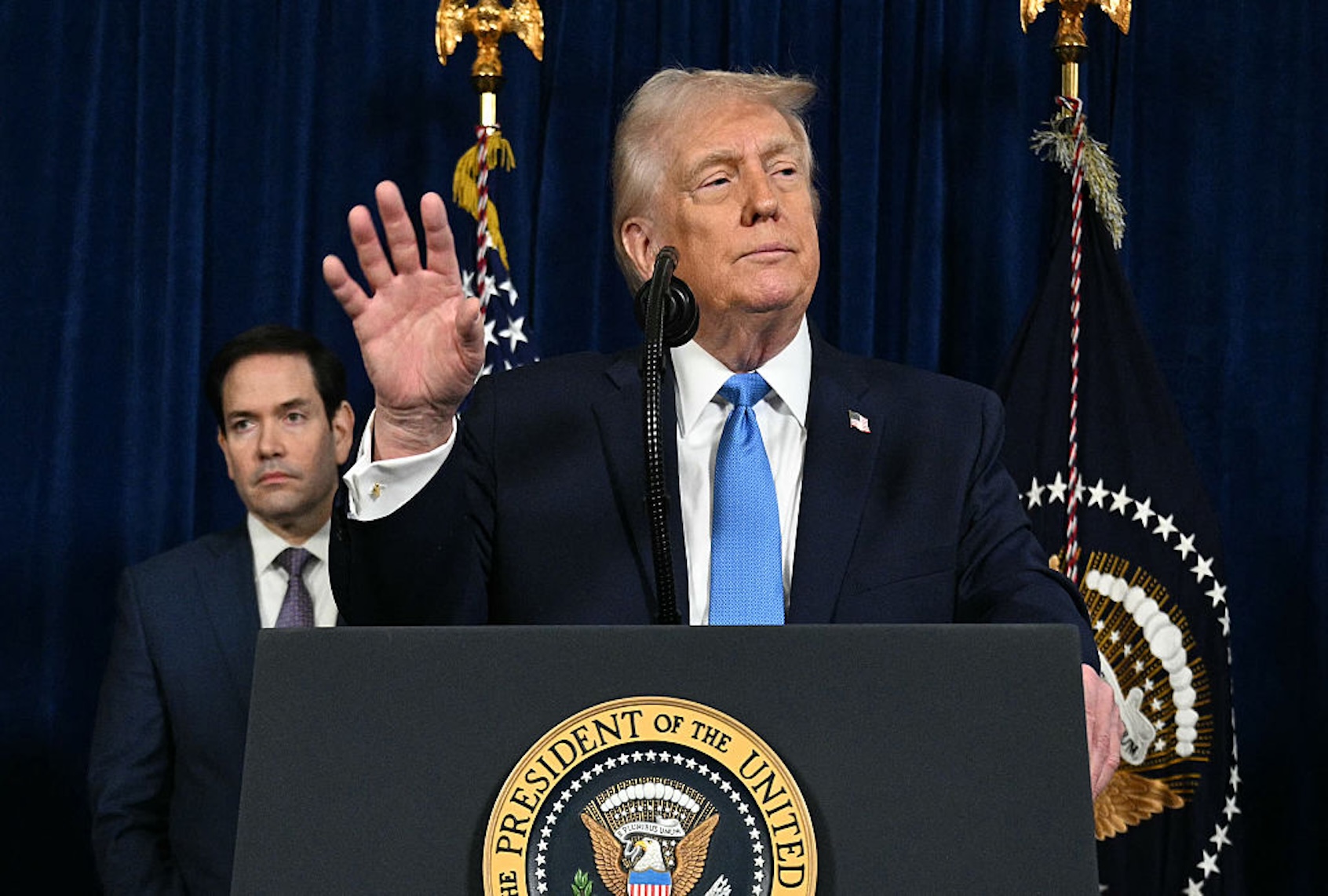
We have a noun for overthrowing a government by force, and that word is “coup.” There’s a tedious argument to be made that Trump’s trademark sloppiness — leaving most of Maduro’s government in power with the implicit threat that the U.S. will invade again if need be — muddies up the proper language and strains some definitions. Given the preference for plain speech espoused by nearly all Anglosphere newspapers, those minor quibbles can be pushed aside.
If this operation was carried out in Accra or Damascus by armed separatists, “coup” would almost certainly appear in the headline. Weasel words would likely be removed from the body copy. If the same attack on Caracas was the work of Venezuelans, it would undoubtedly be called a coup. But “coup” is one of those words that happens elsewhere. As a verb, it's only ever done by foreign non-state actors. Despite a long history of overthrowing democratically elected leaders, U.S. journalists are reluctant to say the C-word when it’s our own military storming the presidential palace.
Coup, seizure or kidnapping, Maduro is still in custody as Trump gears up to pass out lucrative oil leases to American fossil fuel companies. Still, these semantics matter. The ability to describe the world as it is is critical, especially in interesting times.
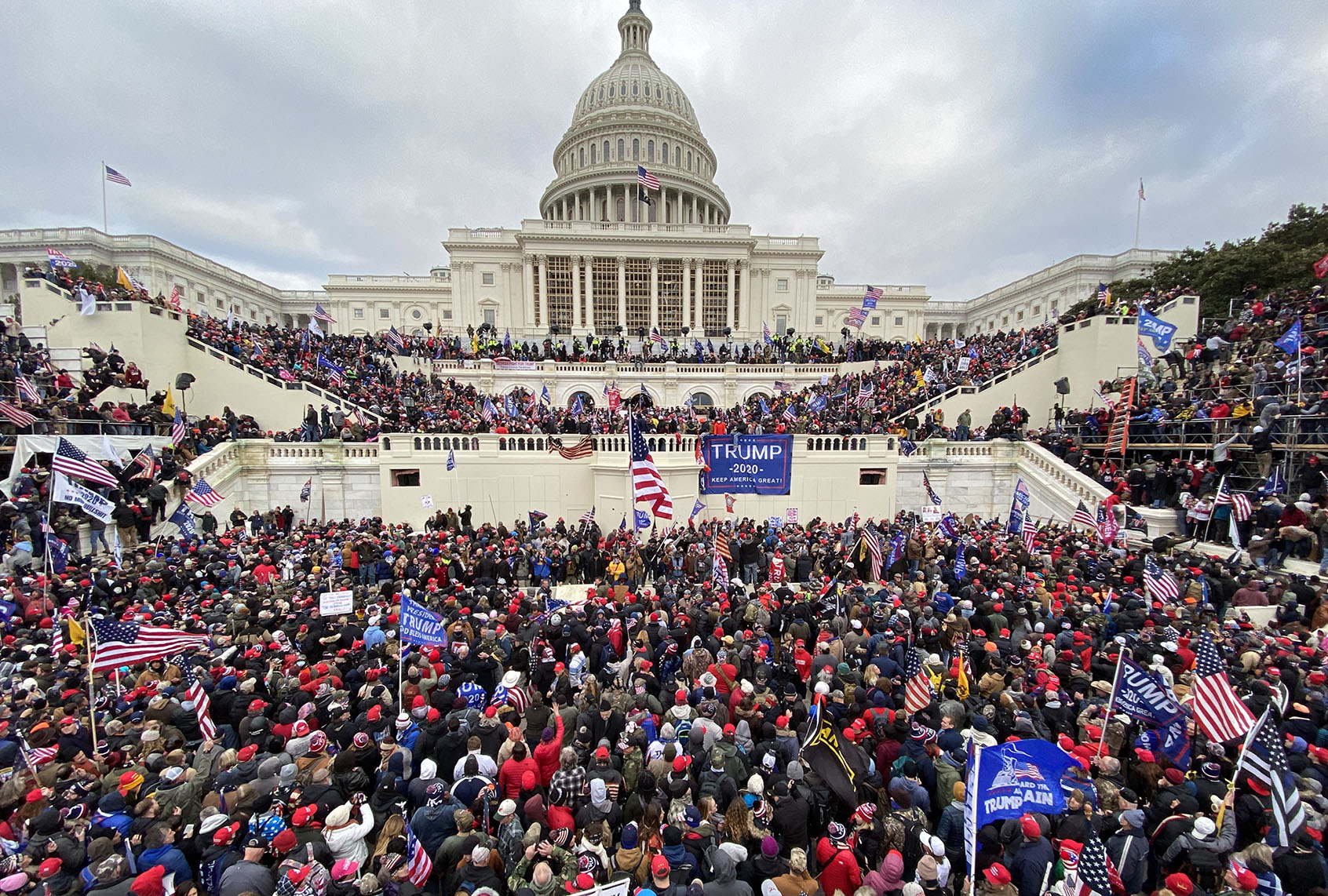
Meanwhile, the Trump White House marked the fifth anniversary of the Jan. 6 riots with a laudatory page on its website. The page all but justified the failed coup by the president’s supporters, blaming Capitol police for the violence of the day and calling former Vice President Mike Pence a “coward” for refusing to overturn the election of President Joe Biden. It accused the Democrats of “reversing reality” by believing the facts of Biden’s victory. It all but telegraphed their stance on a hypothetical transfer of power in 2028.
If that time comes, journalists and editors should know better than to waste time wringing their hands over whether they’re witnessing a “seizure” or a “capture” of the federal government. We should know a coup when we see one.
What do you think? Why are news outlets dancing around the word “coup”? Does the language we use to describe the things our government does ultimately matter? Click the speech bubble icon to sound off in the comments.
Support the progressive journalism you trust. Become a Salon member today!
Before you go …

Getty Images
An exhausted strongman invades Venezuela
Trump's political style requires force and swagger. His "splendid little war" was meant to prove he still has both. Read more.

