
Your morning update from Salon.
Crash Course subscribers can join the conversation. Click the speech bubble icon to leave a comment. Tap the heart icon if you liked what you read.

Geese perform at the 2026 Coachella alley Music And Arts Festival. (Getty Images)
Getting shilled …
There’s no real secret to Geese’s success.
The New York City rock band named above has rocketed into a sort of indie omnipresence in the first half of 2026, riding the success of their fourth studio album “Getting Killed” to TikTok virality and a “Saturday Night Live” performance. Critics fawned over “Killed” as a step up from 2023’s twangy freakout “3D Country.” Tickets to their corresponding tour became a hot commodity as suddenly too-small rooms sold out.
That’s how the story is supposed to go. Scrappy young band from the coast spends a decade refining a muscular, driving brand of rock music. Press comes calling as the charismatic frontman — in this case, Cameron Winter, a lanky 24-year-old who delivers romantic acid poetry in a voice that falls somewhere between Van Morrison and one of the adults from Charlie Brown specials — grows into his obvious world-dominating ambitions. Assured band meets the moment, and delivers an album worthy of the hype. Presto, rock stars. Just add water (and about a decade of grinding). But that’s not what everyone saw.
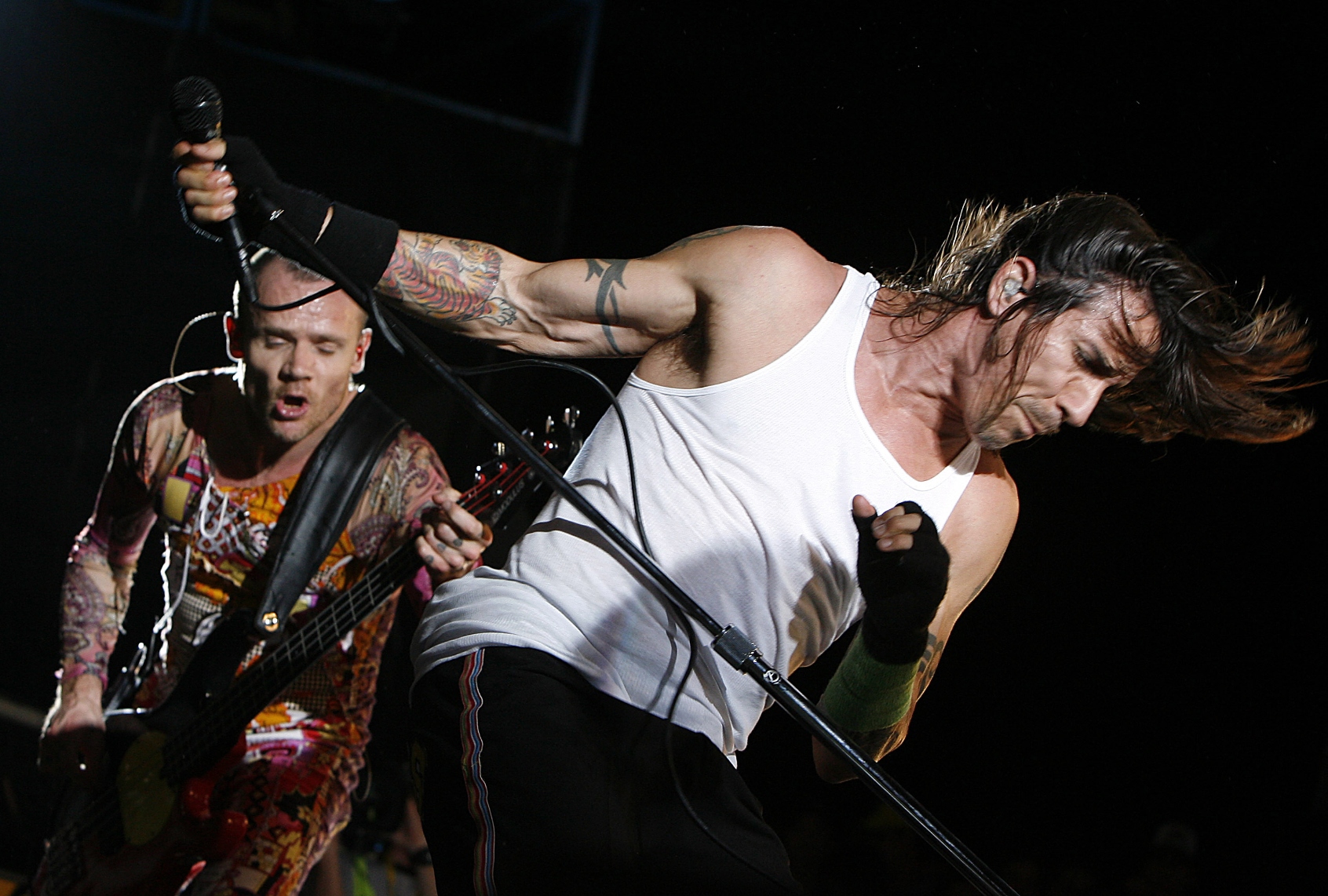
As the story got retold by online metrics-watchers, folks who didn’t seem to be paying all that much attention during Geese’s rise, a tale got cynical and sinister. Unable to appreciate the utility of a fresh face delivering tight tunes that were equal parts romantic and pathetic, they imagined a conspiracy. The term “industry plant” got thrown around. Even more overheated attacks adopted the language of CIA operations. Geese couldn’t possibly be unapologetic Gen Z stars stepping into the spotlight after a decade of millennial, “so… I did a thing” faux-humility. They had to be a “psyop.”
That’s the exact wording Wired used in the headline of a recent piece on Geese, noting that the band who played a Studio 8H stage recently occupied by Sabrina Carpenter, Bad Bunny and Cher didn’t get there on talent alone. One supposedly damaging allegation was that the band had hired a marketing firm to push them on social media platforms. (Hold your gasps, please.) Clearly, the seeding of Geese singles on TikTok — rather than the ability to write an on-its-face excellent torch song like “Au Pays du Cocaine” — was solely responsible for their success. It’s a theory both overthought and naive, based entirely on the assumption that it’s enough to merely get a song in front of people, with no regard to whether the track is any good.
Geese-gate (Ben-Geese-i?) is merely the latest example of prevailing internet forces asking you to believe the spin over the facts in front of you.
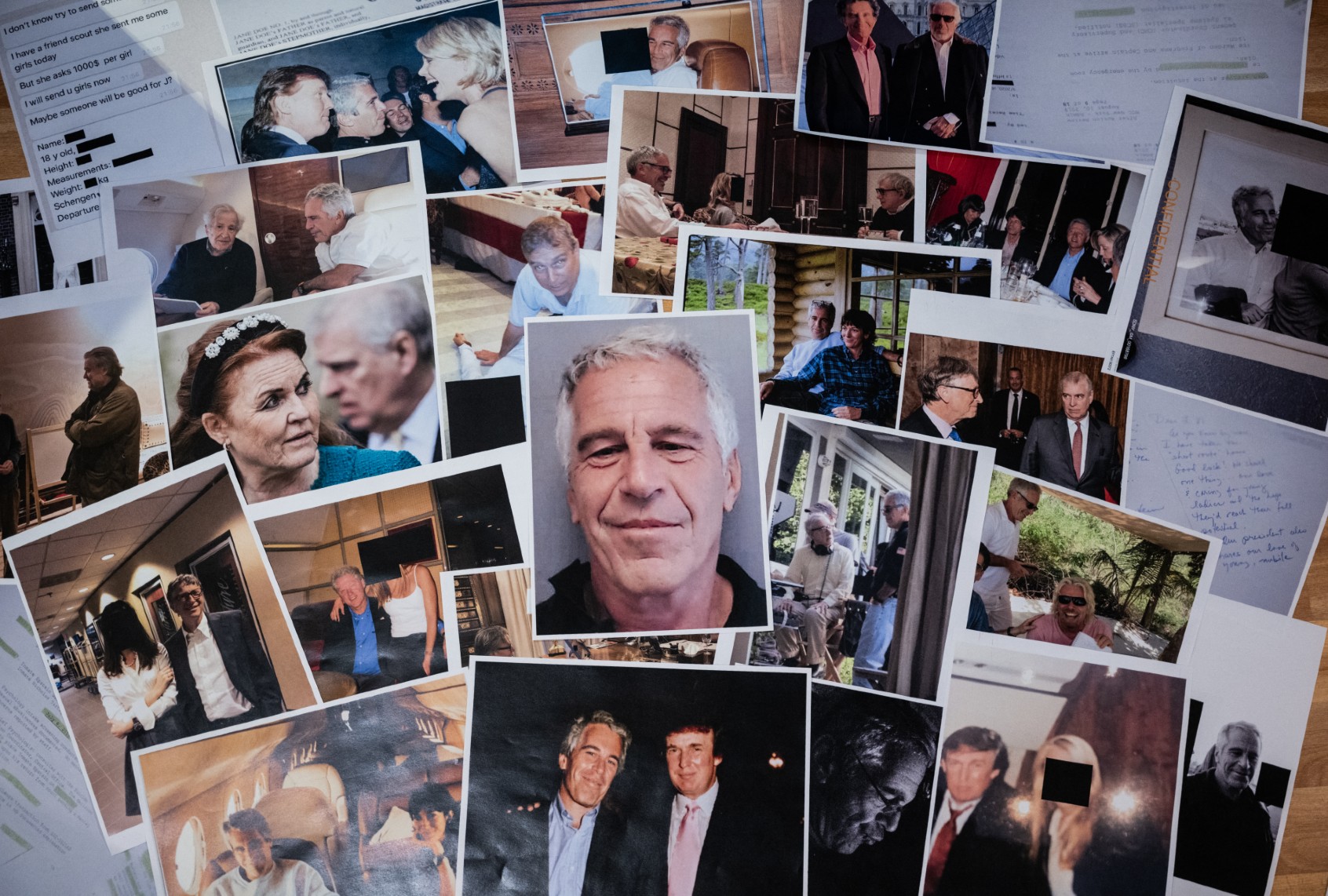
New DHS chief Markwayne Mullin isn’t a fake soldier leading other cosplaying soldiers in attacks on American cities. He’s a true patriot and MMA champion, fighting for American values. Donald Trump didn’t share a photo of himself as Jesus Christ while beefing with the Pope. He thought that image cast him as a doctor, because he’s a big fan of the Red Cross. The Trumps weren’t longtime friends with Jeffrey Epstein and Ghislaine Maxwell. They always thought he was a creep, even if they went to his parties. You can hear why someone might like Geese, but a conspiracy theory that misunderstands the way people enjoy music is the real, unvarnished truth. The tin-foil-hatting of American life has left a major magazine asking you to meet Q in the bathroom.
As artificial intelligence muddies the waters around photographic evidence, more and more powerful people are asking you to disregard your own faculties. Don’t listen to them. Give the live version of “4D Country” a spin instead, and trust your ears. See if you aren’t a fan by the time you hit the tenth shout of “hit me, motherf**ker.”
What do you think? Do you like Geese? If you don’t, do you find their success to be the tip of the iceberg in a grand conspiracy? Sound off in the comments.
Make me smarter …

Why the right is so obsessed with Rome
From America to Britain, conservatives' focus on the Roman Empire is part of an effort to make violence virtuous. Read more.
Don’t miss …

Support the progressive journalism you trust. Become a Salon member today!
Before you go …

Catholics warn of serious juncture as Trump targets Pope Leo XIV
Even traditional allies pushed back after Trump escalated attacks and posted an image casting himself as Jesus. Read more.
ALSO FROM SALON

In partnership with

CNBC says investors have "nowhere to hide." But one exclusive platform just posted a 22.9% net return. Here's how to get in.

Despite an exciting bull run, gold fell 25% from its January peak.
Bloomberg's Marcus Ashworth said it this week: "No more reliable safe havens."
But Masterworks has been offering fractional investments well outside the norm. Typically those exclusive to the ultra-wealthy.
One of those was an Elizabeth Peyton painting. Total net return to hundreds of their members: 22.9%. Typically 3-10 years, this rare turnaround took just a few weeks.
That's sale number 27. Net annualized returns on sales like 14.6%, 17.6%, 17.8%.
So, despite macro turmoil, the art market has been trending up.
U.S. auction sales jumped 23.1% last year. The $1mm-$5mm segment grew 40.8% in value.
Few people know this. But postwar and contemporary art grew 10.2% annually with near-zero correlation with the S&P 500 over the last 30 years.*
Masterworks lets you invest in shares of works featuring Banksy, Basquiat, Picasso, and more.
70,000+ members. $1.3 billion across 525+ works.
*According to Masterworks data. Investing involves risk. Past performance not indicative of future returns. See important disclosures at masterworks.com/cd.
